
Diabetes Treatment in Ayurveda: Managing Blood Sugar the Holistic Way
A diabetes diagnosis often comes with a single minded focus on one number, blood sugar. But managing diabetes well takes more than controlling that number in isolation. This article looks at how Ayurveda approaches diabetes as a whole body condition, what naturopathic therapies support treatment alongside it, and why addressing the root cause matters more than short term sugar control.


Dr. Kumar
5 mins read
What Is Diabetes?
Diabetes is a chronic metabolic condition in which the body either does not produce enough insulin or is unable to use insulin effectively, leading to elevated blood sugar levels over time.
It is broadly classified into type-1 diabetes, where the body produces little to no insulin, and type-2 diabetes, where the body becomes resistant to insulin or does not produce enough of it
Common risk factors include family history, obesity, sedentary lifestyle, poor diet, and age
If left unmanaged, diabetes can lead to serious complications affecting the heart, kidneys, eyes, and nervous system
Ayurveda offers an additional, root cause based approach to diabetes management, helping millions of patients manage their blood sugar levels alongside conventional treatment
Signs and Symptoms of Diabetes
The symptoms of diabetes occur when elevated glucose levels spill into the urine, pulling water and essential nutrients along with it.
Polyuria (Excessive Urination): Needing to urinate more frequently than usual, especially waking up multiple times during the night
Polydipsia (Extreme Thirst): An unquenchable, constant feeling of thirst triggered by dehydration from frequent urination
Polyphagia (Increased Hunger): Feeling intensely hungry even after eating, because cells aren't getting the energy (glucose) they need
Unexplained Weight Loss: Dropping weight quickly without trying, as the body burns fat and muscle for energy instead of glucose
Chronic Fatigue: Feeling constantly exhausted and weak because the body's cells cannot properly convert food into energy
Secondary & Physical Signs
Blurry Vision: High blood sugar draws fluid out of the lenses of the eyes, altering their shape and making it temporarily difficult to focus
Slow-Healing Sores: Cuts, scratches, and bruises that take a remarkably long time to mend due to compromised circulation and immune function
Frequent Infections: Recurring infections, particularly of the skin, gums, urinary tract, or vaginal yeast infections, as bacteria and yeast thrive in high-sugar environments
Tingling or Numbness: A pins and needles sensation or pain radiating in the hands and feet (diabetic neuropathy)
Acanthosis Nigricans (Darkened Skin Patches): Velvety, dark patches of skin forming in body folds and creases, typically around the neck, armpits, or groin (a strong indicator of insulin resistance)
Ayurvedic Treatment Approach
In classical Ayurveda, diabetes is closely associated with a condition known as Madhumeha, one of twenty types of Prameha (urinary disorders), linked to impaired metabolism and Kapha-Vata imbalance
Diabetes type-1 and type-2 can both be addressed with an Ayurvedic approach that focuses on the root cause of the problem, offering full-body improvement rather than just lowering blood sugar levels
Herbs commonly used include Gudmar (Gymnema Sylvestre), Karela (bitter gourd), Jamun, Methi (fenugreek), and Neem, many of which support healthy insulin function and metabolism
Classical formulations such as Chandraprabha Vati, Vasant kusumakar ras and Vijaysar are often included as part of a structured treatment plan
Panchakarma therapies may be used in select cases to support detoxification and metabolic correction, always under expert supervision
Diet and lifestyle correction based on the patient's Prakriti and Dosha imbalance is considered essential alongside any herbal treatment
Naturopathic Treatment for Diabetes
Diabetes is also treated with naturopathy using the following methodology.
Hydrotherapy: By administering a warm water enema, the body is cleansed and detoxified of accumulated toxins. Hydrotherapy improves metabolic rate and helps bring sugar levels under control
Mud Therapy: In diabetic patients with underutilised endocrine organs, mud therapy helps synchronize the digestive system with the endocrine system, preventing toxin accumulation
Mud Bath: Mud baths are one of the best methods to eliminate toxins from the body. Applying a mud pack to the abdomen increases blood circulation, relieves inner congestion, and helps eliminate morbid toxins
Massage Therapy: Massage therapy is regarded as a passive exercise that improves the functions of the circulatory and nervous systems. It relaxes muscles and reduces stress, both of which support better blood sugar regulation
Yoga Therapy
When combined with a well-balanced diet and natural treatments, yoga helps in controlling blood sugar levels
Diabetic patients benefit from asanas (poses) that improve digestive function, liver function, and pancreatic function
Pranayama
The most effective pranayamas for diabetes management are Anulom-Vilom, Ujjayi, Bhramari, Bhastrika, and Kapalbhati
The body produces more adrenaline when stressed, which raises blood sugar levels. Practicing yoga and pranayama reduces stress and improves sleep quality
Better sleep further reduces stress and helps lower blood sugar levels. Stress is also linked to increased insulin levels
Brisk Walk
Walking for 30 to 45 minutes daily helps keep sugar levels under control and supports healthy body weight
Chromo Therapy
Chromotherapy, or colour therapy, is the treatment of diseases using colour and has been used successfully for over a century
Diabetic patients are typically treated with yellow and green colours
Yellow and green are believed to stimulate the pancreas and thyroid glands, which helps eliminate toxins
Risks of Ignoring Diabetes
Diabetes can damage the kidneys if left untreated
It can affect the eyes and contribute to vision problems over time
It can damage the nervous system, leading to complications like numbness or nerve pain
Ongoing complications tend to compound over time when the condition is neglected rather than managed early
Frequently Asked Questions
What is diabetes called in Ayurveda?
Diabetes is closely associated with Madhumeha in Ayurveda, a type of Prameha linked to impaired metabolism and Kapha-Vata imbalance.
Can Ayurveda treat both type-1 and type-2 diabetes?
Yes. Ayurveda addresses both types by focusing on the root cause of the condition and supporting full-body improvement, rather than only lowering blood sugar levels.
Which pranayamas are most effective for diabetes management?
Anulom-Vilom, Ujjayi, Bhramari, Bhastrika, and Kapalbhati are considered the most effective pranayamas for supporting blood sugar management.
How does stress affect blood sugar levels?
Stress increases adrenaline and insulin levels in the body, which raises blood sugar. Practices like yoga, pranayama, and better sleep help reduce stress and support healthier blood sugar levels.
What happens if diabetes is left untreated?
Untreated diabetes can damage the kidneys, eyes, and nervous system over time, leading to serious long term health complications.
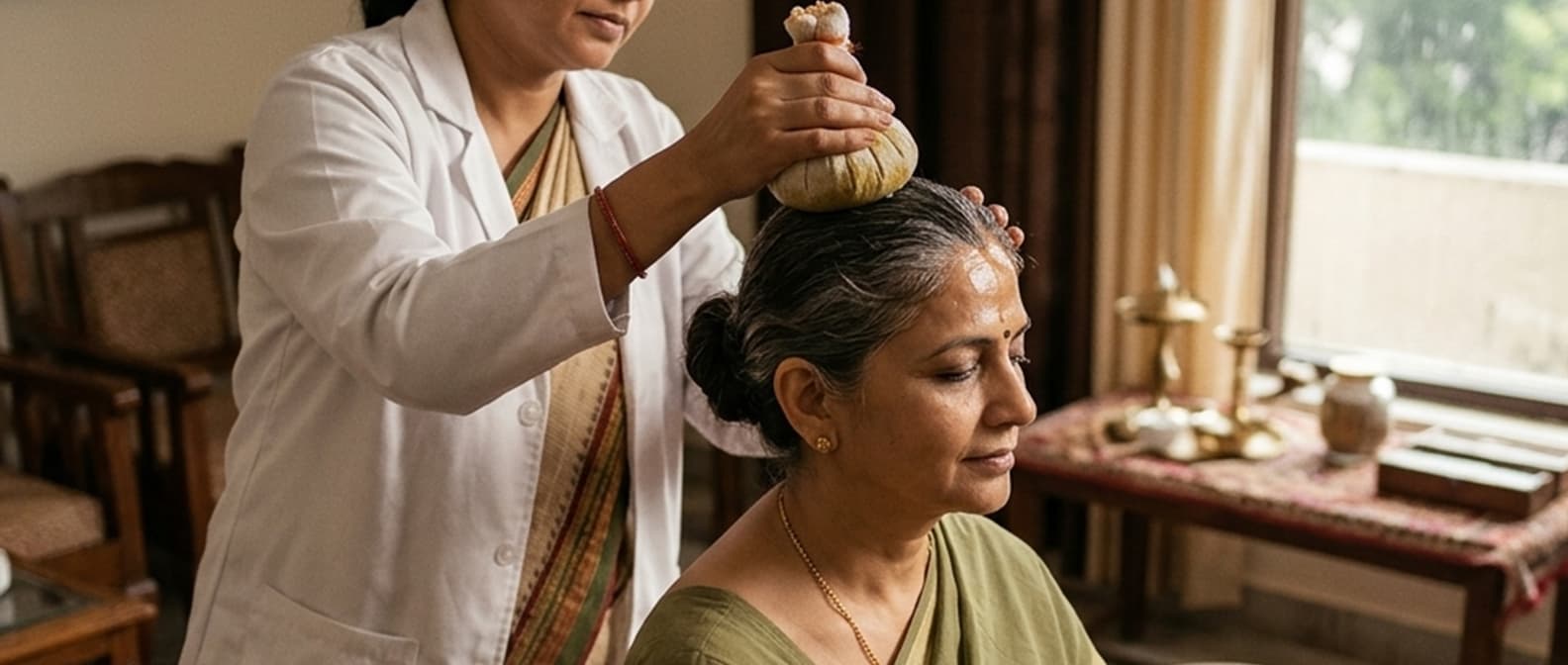
Diabetes management is not just about lowering one number on a glucose meter. A combined Ayurvedic and naturopathic approach, using herbs, Panchakarma where needed, hydrotherapy, mud therapy, massage, yoga, pranayama, and diet correction, treats the condition at its root and supports full-body health. Timely treatment reduces the risk of complications that come from neglecting the disease.