
IBS Treatment: Natural and Naturopathic Approaches to Irritable Bowel Syndrome
Irritable Bowel Syndrome, commonly known as IBS, is one of the most common gastrointestinal complaints today, affecting a large number of women and young adults. For many, symptoms come and go unpredictably, disrupting daily routines, work, and diet without a clear explanation. This article breaks down what IBS actually is, what triggers it, and how naturopathic and Ayurvedic approaches treat the condition at its root rather than just managing symptoms as they appear.

Dr. Kumar
5 mins read
What Is IBS?
Irritable Bowel Syndrome is a gastrointestinal disorder that affects a majority of women and young adults today. As a functional disorder, it cannot strictly be considered a disease in the traditional sense, since it does not involve visible structural damage that can be classified through standard diagnostic testing.
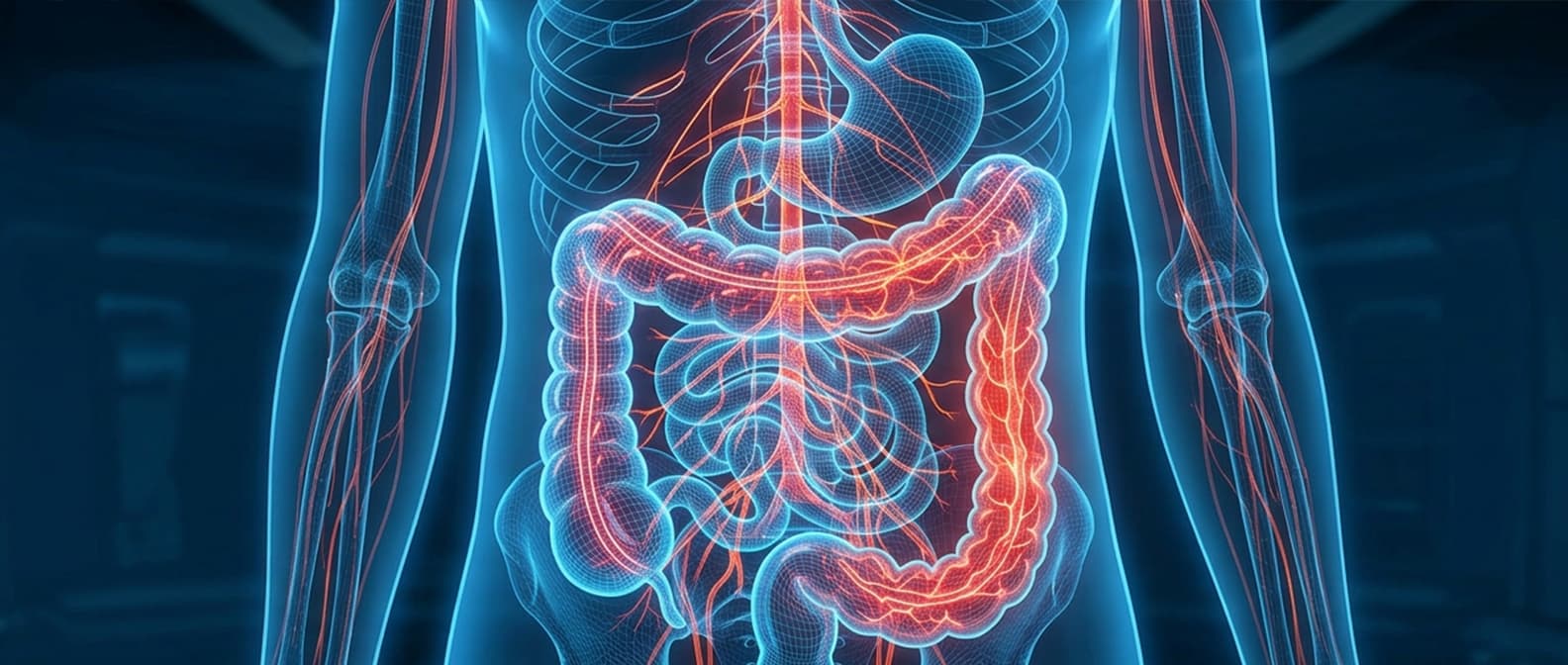
Common symptoms include abdominal cramps, bloating, gas, mucus in the stool, constipation, and diarrhea
The Gut-Brain Connection: Stress, anxiety, and emotional factors directly trigger or worsen flare-ups due to the complex nervous system link between the brain and the gut
Constant unpredictability of bowel habits can significantly disrupt daily routines, energy levels, and overall mental well-being
What Causes IBS?
Excessive intake of wheat, dairy products, fried foods, pastries, chocolate, carbonated drinks, artificial sweeteners, junk food, and spicy foods
These foods contribute to the formation of polyols, disaccharides, and fermentable oligosaccharides in the gut, compounds that are closely linked to IBS flare ups
Accumulation of mucus and other debris in the colon, often resulting from acidic and heavy food intake
Imbalance in the body's natural acid levels
Tension and stiffness in the abdominal and torso muscles, which can worsen digestive discomfort
The Ayurvedic Perspective on IBS
In classical Ayurveda, the symptom pattern seen in IBS closely correlates with a condition known as Grahani Roga, a disorder of Agni (digestive fire) centered at the Grahani, the site believed to govern digestion and absorption.
The root cause is considered to be Agnimandya, a weakened digestive fire that leads to improperly digested food, called Ama
This Ama accumulates in the gut and disturbs the natural balance of Vata, Pitta, and Kapha, with Vata imbalance typically driving the cramping, bloating, and irregular bowel movements
Irregular eating habits, incompatible food combinations, excessive intake of cold, dry, or processed foods, and chronic stress are seen as key aggravating factors
Since Prakriti (individual constitution) varies from person to person, Ayurvedic treatment is tailored to whether the imbalance leans more toward Vata, Pitta, or Kapha rather than following a single fixed protocol
Ayurvedic Herbs and Formulations
Triphala is commonly used to support healthy digestion and regular bowel movements without being harsh on the gut
Kutaja is traditionally used to help manage loose stools and diarrhea associated with IBS
Bilva is used to support intestinal tone and manage looseness in the bowels
Musta is often included to help correct Agnimandya and support better digestion
Hingwastak Churna is a classical formulation used to reduce gas, bloating, and abdominal discomfort
Panchakarma and Ayurvedic Therapies
Basti, a form of medicated enema therapy, is considered one of the most effective Panchakarma procedures for Vata dominant digestive disorders like IBS
Mild Virechana (therapeutic purgation) may be used in select cases to clear accumulated Ama, always under expert supervision
Diet and lifestyle correction based on the patient's Prakriti and current Dosha imbalance is considered essential alongside any herbal or Panchakarma treatment, since without this correction, symptoms tend to recur
Herbal Therapy
The use of herbs has proved to be very effective across many IBS treatment approaches
An expert naturopath recommends specific herbs to help minimize muscle spasms, gas, and inflammation, while gradually strengthening the intestinal wall
Herbal support is often helpful in treating leaky gut syndrome, a condition closely associated with IBS
Diet Therapy
Diet therapy plays a major role in managing IBS, since many trigger foods directly worsen symptoms
Naturopaths recommend drinking adequate amounts of water and eating plenty of fruit, vegetables, and fresh juices
Yoghurt is also commonly recommended as part of a natural food regime
When this diet approach is combined with colon hydrotherapy, the benefits are significantly greater
Colon Hydrotherapy and Abdominal Packs
Abdominal packs help control IBS symptoms by reducing mucus and other debris that accumulate in the colon due to acidic and heavy foods
A natural food regime helps balance the body's acid levels over time
Colon hydrotherapy works alongside this by removing mucus and debris directly from the colon
Yoga and Meditation
IBS often affects the lower abdomen and intestinal walls, and yoga helps strengthen these structures so they can function properly again
Meditation supports relaxation and helps balance the body's hormonal mix, which in turn supports healing of both the whole body and IBS symptoms specifically
Regular practice of both yoga and meditation is often recommended as a long term management strategy rather than a one time fix
Massage Therapy
IBS often leads to tensed and stiff abdominal and torso muscles
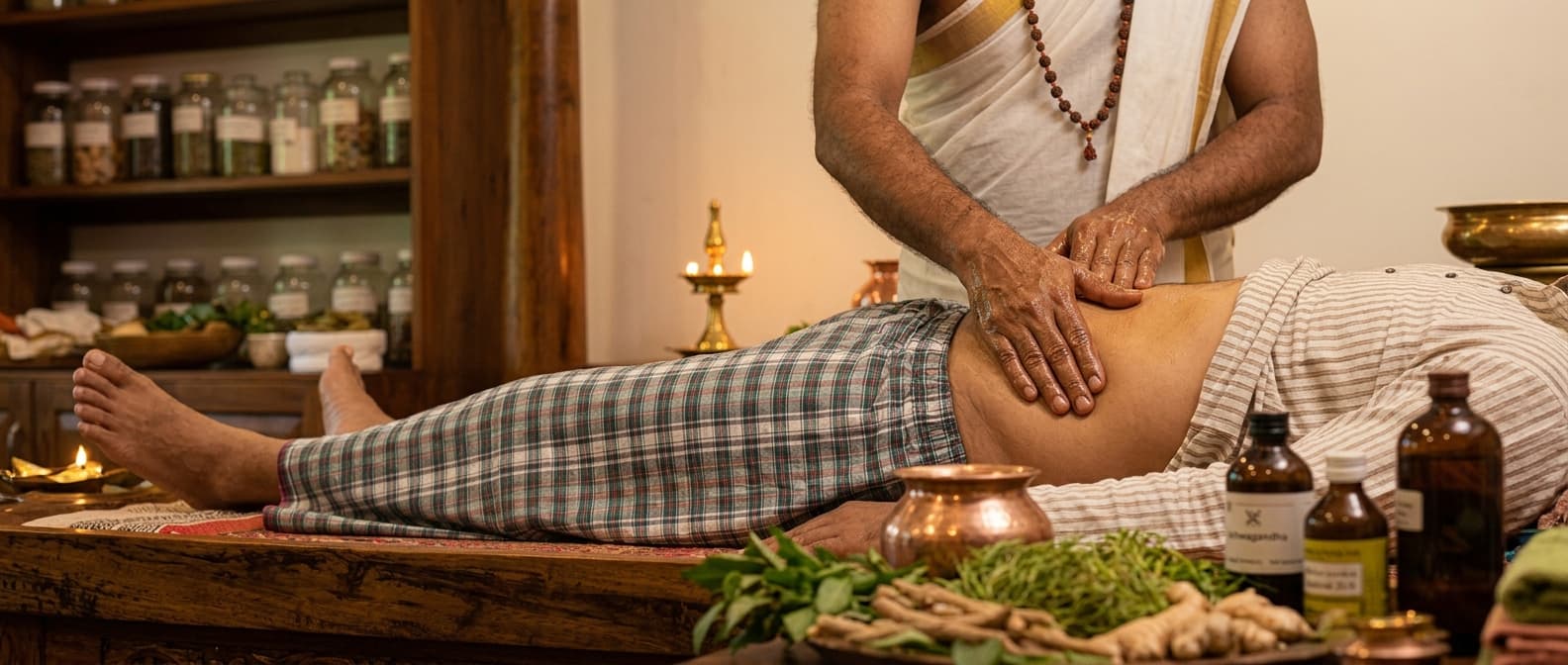
Massage therapy helps relax these muscles, which can ease the physical discomfort associated with the condition
Risks of Ignoring IBS
Persistent abdominal cramps, bloating, and gas that worsen over time
Ongoing disruption to digestion, including alternating constipation and diarrhea
Development of leaky gut syndrome if the underlying imbalance is left unaddressed
Increased dependence on allopathic tablets for symptom relief without resolving the root cause
Frequently Asked Questions
What is the difference between IBS and a typical stomach upset?
IBS is a chronic, functional gastrointestinal disorder involving recurring symptoms like cramping, bloating, and irregular bowel movements, whereas a typical stomach upset is usually short term and resolves on its own without ongoing management.
Can naturopathy actually cure IBS, or does it only manage symptoms?
Naturopathy focuses on treating the underlying causes of IBS through diet correction, herbal support, and detoxification, which is why many patients turn to it for longer term relief rather than temporary symptom control.
What foods should someone with IBS avoid?
Common triggers include wheat, dairy products, fried foods, pastries, chocolate, carbonated drinks, artificial sweeteners, junk food, and spicy foods.
Does yoga really help with IBS symptoms?
Yes. Yoga helps strengthen the lower abdomen and intestinal walls, while the accompanying meditation practice supports hormonal balance and relaxation, both of which contribute to easing IBS symptoms.
Is colon hydrotherapy safe for IBS treatment?
Colon hydrotherapy is commonly used in naturopathic IBS treatment to remove mucus and debris from the colon and is often combined with diet therapy for better results. As with any therapy, it should be done under the guidance of a qualified naturopath.
What does Ayurveda say about the root cause of IBS?
Ayurveda views IBS as closely related to Grahani Roga, a disorder rooted in weakened digestive fire (Agnimandya) and the buildup of improperly digested food (Ama), which disturbs Vata, Pitta, and Kapha balance and leads to the classic IBS symptom pattern.
IBS may not be classified as a disease in the traditional sense, but its impact on daily life is very real. Rather than relying solely on allopathic tablets to manage flare ups, a combined naturopathic and Ayurvedic approach, using herbal therapy, diet correction, colon hydrotherapy, Panchakarma, yoga, meditation, and massage therapy, addresses the condition at its root. For lasting relief, treating the underlying cause matters far more than temporarily suppressing symptoms.